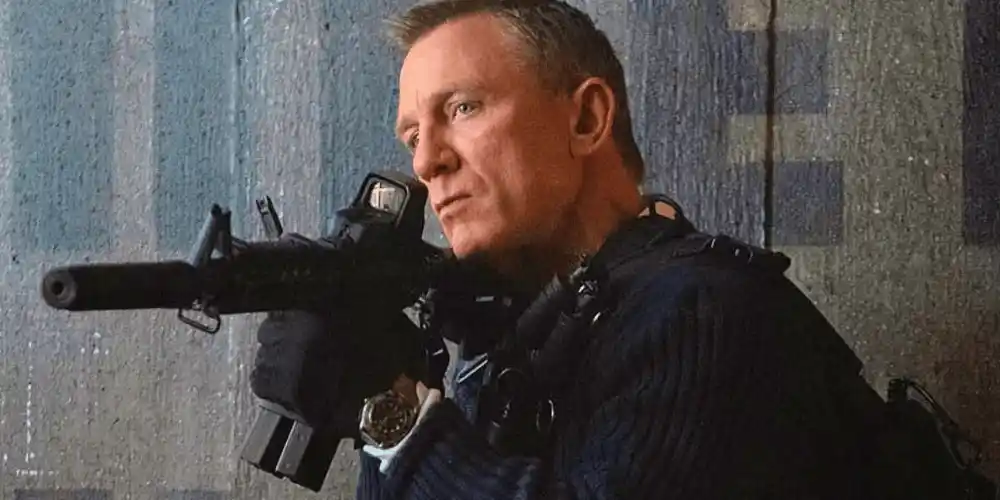
In light of the new James Bond era being upon us, now is a great time to reflect on how 007 was last reinvented and the innovative manner in which this reinvention connected itself to the long history of the franchise.
The first time that Casino Royale was shown in theaters was on November 14th, 2006. That means that we are rapidly approaching the 20th anniversary of the release of the film.
Casino Royale introduced Daniel Craig as the newest big-screen version of James Bond. This film was adapted from the first novel written by Ian Fleming.
As we all know, Bond performances are never fully realized until the actor delivers the most famous line from the first James Bond movie (Dr. No): Bond. James Bond. The way Craig delivered this iconic line, as he waited for the last few moments of the film, was a great payoff for fans of the James Bond series.
The reboot of James Bond is closer to completion than some people think. Amazon MGM Studios currently controls the rights to James Bond creatively. Denis Villeneuve is directing the project and Steven Knight is penning the screenplay. In May, Amazon stated they were looking for a replacement for Daniel Craig as James Bond. According to reports, the studio would like to cast an unestablished British actor in the role. Filming for the reboot will reportedly begin in 2027.
According to producer Amy Pascal, it appears as though there will be some form of an announcement by the end of the year. There is currently no official release date. Whoever is chosen to take over as the next James Bond will have to live up to Craig’s 15-year tenure as Bond, and therefore Casino Royale would seem to be the most logical source of reference for how to make a successful transition into a new era.
Why The Reboot Worked
In order to comprehend why the reboot was successful, you need to keep in mind the issue that the reboot addressed. Pierce Brosnan did an admirable job as the MI6 agent with a license to kill. However, over time, Brosnan’s portrayal of Bond began to drift towards self-parody.
The last of Brosnan’s films, Die Another Day, marked the culmination of this trend. At this point in the series, the films were lavishly produced and frequently ridiculous. The villains and plotlines resembled those of a comic book rather than a spy thriller.
That wasn’t how Fleming envisioned it. Casino Royale brought the series back on track by going back to the source material, using a realistic spy-thriller format, and portraying Bond as a human being rather than a superhero.
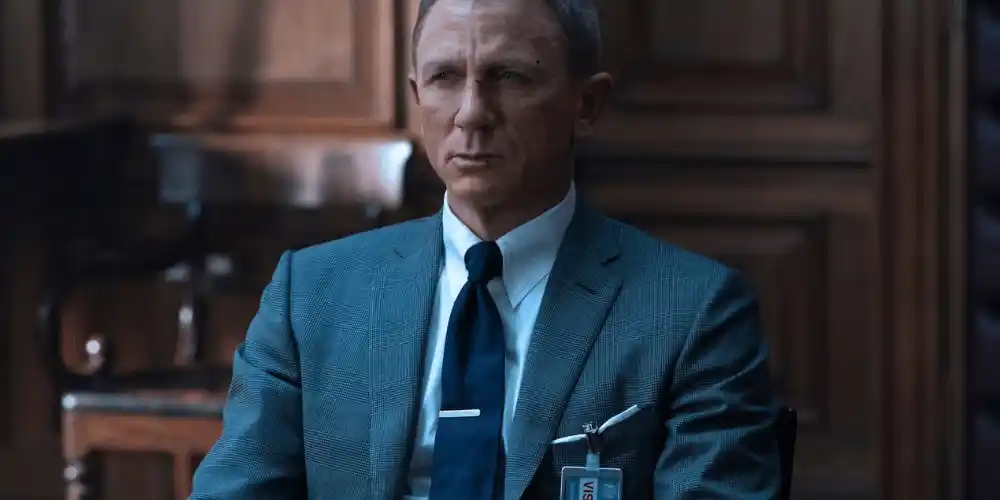
Fleming said Bond is just an anonymous tool of violence used by a government agency. Bond isn’t a hero saving damsels. He’s a state-sponsored killer. This is made clear in the movie when M (Judi Dench) uses a blunt instrument to describe Bond after he enters a foreign embassy and assassinates an operative that MI6 had been hunting down.
The Bond played by Craig has a sense of responsibility to the British Government. However, as a professional killer within a morally ambiguous world, his acting explores what effect such work would have upon a person’s spirit. This exploration creates a greater depth and introspection for Bond.
The fact that Craig looked different from previous Bonds was also an advantage. Although there were many fans who expressed their doubts about Craig being cast in the role, these doubters were quickly proven wrong.
He brings to life a Bond who is physically strong, rough around the edges, and has a bruised, impulsive quality which fits the story of a young agent learning the ropes.
The movie grossed over $600 million globally, becoming an incredibly successful film and establishing the darker style of future films.
Part of why Casino Royale works so well is that it gives us a look at Bond when he was starting out as a 00 agent. The stunning black and white prologue is the story of how Bond got his license to kill. Audiences have always known that Bond was a 00 agent, with a license to kill, but the film allows us to see how he became one, and the brutal, ugly first kill that he makes sets the mood for the rest of the film.
This part of the movie is about how the audience views the James Bond legend. However, this viewing takes place as seen by someone who has not yet become James Bond. The moment that Bond first gets into a tuxedo is as if something important is happening.
When a bartender asks if he would like his martini “shaken or stirred,” Bond responds bluntly by saying, “Does it appear that I care?”
This is an inside joke for all those who are familiar with the myth of James Bond, which is being dismantled by the film itself. This is a subtle reference to those who have been following the franchise for a while, as well as a statement about how Bond does not currently have his own unique cocktail or his own personal style. He is in the process of creating who he will become.
Vesper And The Line That Had To Be Earned
Most of the emotional impact of the movie is derived from the character Vesper Lynd (played by Eva Green). Bond attempts to leave the espionage world and begin anew with Vesper following Bond’s successful survival of the villain Le Chiffre (played by Mads Mikkelsen).
However, Bond’s desire to leave the espionage world and begin anew with Vesper is destroyed when he discovers that Vesper was a double agent. This discovery ultimately leads to Vesper’s demise.
He becomes bitter and returns to work after being betrayed by her. This is why he cannot commit himself to another person or establish long-term relationships after this betrayal. He finds it difficult to trust others due to both the betrayal by her and his professional life, so this creates a dark shadow over the entire Craig Era.
That’s why the ending works so well. Bond gets a final message from Vesper saying that she has left him Mr. White’s (played by Jesper Christensen) cell phone number. He is one of the top people at the criminal organization called Quantum.
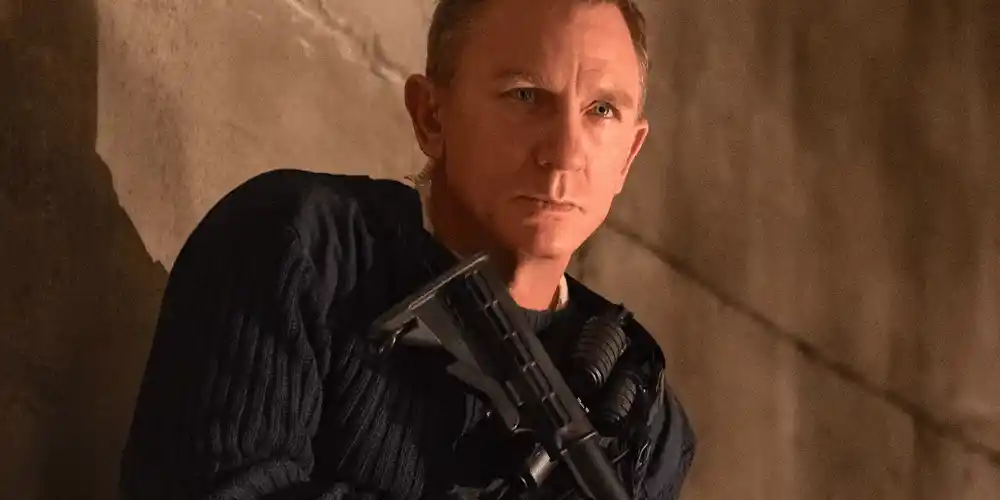
When he locates White, he shoots him in the leg and then finally introduces himself with, The name’s Bond. James Bond. At this point, the Bond theme song begins playing, and you feel as though the film was building up to that moment. Also, the scene confirms that Bond is back with MI6 after having previously resigned.
The moment works on multiple levels. It is an exciting and cool scene. However, it is a sad one too. At this point in time, Bond is now an MI6 secret agent (superspy). However, he will never experience true peace or happiness. On the other hand, the audience experiences a sense of accomplishment.
Daniel Craig has transitioned from playing Bond to being Bond, and a classic film hero has come back to life. Now that the origin story is finished, Craig can start his journey as the character.
Many lessons can be drawn from what has happened to date for the next team. This reboot was successful due to the respect shown for the character’s past and giving him time to develop.
It also retained the franchise’s typical elements but did not allow them to be used until after the characters had earned the right to do so. In addition, it was able to create an emotionally driven narrative based upon a personal story rather than a world-ending event.
Any actor who takes over as Bond after Craig is going to need to achieve a similar balance between maintaining a sense of continuity with the past 60-plus years of the franchise and being able to maintain their own identity as Bond.
Even though it has been twenty years since Casino Royale was released, I believe it remains one of the greatest films in the entire James Bond series.
In my opinion, this film serves as a perfect example of what can be done when you take a legendary character and strip him back to his roots so that we see who he was before he became the man he is today. If the next Bond film can achieve even half of this, then I think it will have a great beginning.